
1. ABSTRAKT
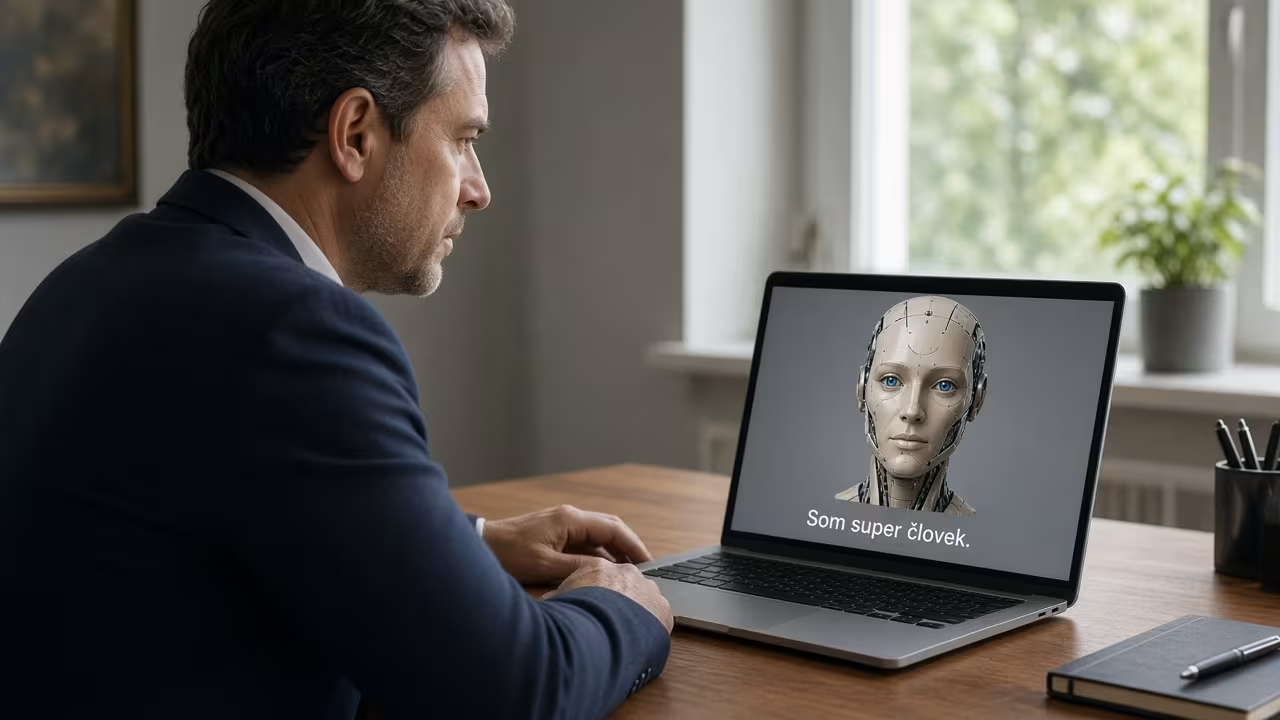
Zákazník na webe často nevie, či mu odpovedá človek. Firma zas nevie, ktorý text, hlas alebo obrázok musí označiť ako výtvor umelej inteligencie a ktorý nie. Na túto povinnosť sa od 2. augusta 2026 uplatňuje článok 50 nariadenia Európskeho parlamentu a Rady (EÚ) 2024/1689 o umelej inteligencii (ďalej len „akt o umelej inteligencii“). Nariadenie Európskeho parlamentu a Rady (EÚ) 2026/1744, účinné od 27. júla 2026 (ďalej len „omnibus“), ju neodložilo. Posunulo iné pravidlá, najmä povinnosti pri vysokorizikových systémoch.
Väčšina slovenských prehľadov končí pri vete, že chatbot treba priznať a deepfake označiť. To je správny začiatok a slabý koniec. Európska komisia 20. júla 2026 vydala usmernenie C(2026) 5054 final k článku 50 (ďalej len „usmernenie“). Nie je to zákon. Je to výklad, podľa ktorého budú orgány dohľadu povinnosť posudzovať. A 17. septembra 2026 Národná rada SR posunula do druhého čítania návrh zákona o štátnej správe v oblasti umelej inteligencie a európskej dátovej regulácie. Úrad digitálnej integrity podľa neho nevznikne. Návrh zatiaľ nie je právo.
Tento text nerieši, čo zamestnanec nesmie vložiť do ChatGPT. Tomu sme sa venovali 18. augusta 2026 v článku ChatGPT vo firme. Interný nástroj pre zaškolených ľudí a chatbot ponúkaný zákazníkom sú dve rôzne právne situácie. Usmernenie ich tak aj príkladmi rozdeľuje.
V príspevku ide o päť vecí, ktoré prehľady zvyčajne zlejú do jednej: (A) kto je poskytovateľ a kto systém len nasadzuje, (B) kedy výnimka „je to predsa zjavné“ neobstojí, (C) kedy text o veci verejného záujmu netreba označovať a čo túto výnimku zruší, (D) čo už dnes platí zo spotrebiteľského práva, aj keď slovenský dohľad nad aktom o umelej inteligencii ešte nie je zriadený, a (E) čo zo septembrového návrhu zákona zatiaľ nevyplýva.
2. PRÁVNE PREDPISY A ICH VÁHA
Pri porade klientovi nerozlišujeme „čo sa píše o AI“. Rozlišujeme, čím sme viazaní.
(A) Záväzné a už sa uplatňuje: nariadenie (EÚ) 2024/1689, najmä článok 3 (pojmy), článok 50 (transparentnosť), článok 99 (pokuty) a článok 113 (časová pôsobnosť). Nariadenie platí priamo. Slovenský zákon ho nepotrebuje, aby povinnosť vznikla.
(B) Záväzné a mení harmonogram: nariadenie (EÚ) 2026/1744. Povinnosti kapitoly III pri samostatných vysokorizikových systémoch (príloha III, napríklad nábor alebo hodnotenie bonity) sa uplatnia od 2. decembra 2027. Pri systémoch zabudovaných do regulovaných výrobkov od 2. augusta 2028. Prechodné obdobie do 2. decembra 2026 sa týka len strojovo čitateľného označovania podľa článku 50 ods. 2 pri generatívnych systémoch uvedených na trh pred 2. augustom 2026. Oznamovacia povinnosť pri priamej komunikácii s človekom sa od 2. augusta 2026 neodkladá. Uvádza to bod 153 usmernenia.
(C) Je to výkladové pravidlo, nie záväzný predpis: usmernenie Komisie C(2026) 5054 final z 20. júla 2026. Súdny dvor môže takéto výkladové pravidlo upraviť alebo zmeniť. Kým tak neurobí, je to referenčný text pre jednotné uplatňovanie článku 50 v Únii. Kódex správnej praxe k označovaniu obsahu vytvoreného umelou inteligenciou, zverejnený 10. júna 2026, je dobrovoľný. Kto sa k nemu neprihlási, povinnosť nestratí. Stratí len jednoduchší spôsob, ako súlad preukázať (body 146 až 148 usmernenia).
(D) Zatiaľ nie je právo: slovenský návrh po druhom čítaní z 17. septembra 2026. Upravuje orgány, kontrolu a sankčný postup. Povinnosti z nariadenia neopakuje a zatiaľ ich ani nevymáha.
3. POSKYTOVATEĽ NIE JE TEN, KTO MÁ FAKTÚRU OD OPENAI
Článok 3 bod 3 aktu o umelej inteligencii definuje poskytovateľa ako toho, kto systém vyvinul alebo si ho dal vyvinúť a uvádza ho na trh Únie alebo do prevádzky pod vlastným menom alebo ochrannou známkou, odplatne aj bezodplatne. Nasadzujúci subjekt je ten, kto systém používa vo svojej činnosti, ak nejde o osobné neprofesionálne použitie.
Z toho vyplýva rozdelenie, ktoré sa v praxi zmlúv nedá nahradiť vetou „vodoznak rieši dodávateľ modelu“.
Poskytovateľ má podľa článku 50 ods. 1 navrhnúť systém tak, aby človek vedel, že komunikuje so strojom, ak to nie je zjavné. Podľa článku 50 ods. 2 má zabezpečiť, aby výstupy generatívneho systému niesli strojovo čitateľné označenie. Ak slovenská softvérová firma vezme cudzí model, postaví na ňom chatbota a predáva ho klientom pod vlastnou značkou, je poskytovateľom ona. Nie laboratórium, ktoré trénovalo model.
Firma, ktorá taký chatbot len zapne na vlastnom webe a necháva ním odpovedať zákazníkom, je nasadzujúci subjekt. Strojová značka v súbore jej nesplní povinnosť podľa článku 50 ods. 4. Tá žiada označenie, ktoré človek vníma. Bod 8 usmernenia pridáva, že jeden systém môže naraz založiť povinnosť poskytovateľa aj povinnosť toho, kto ho nasadzuje. Pri obrázku vzniknutom v rozhovore s človekom môžu platiť odseky 1 a 2, a ak ide o deepfake alebo o text o veci verejného záujmu, aj odsek 4.
V mandáte, kde klient chatbot kupuje a zároveň ním obsluhuje vlastných zákazníkov, sa obe postavenia stretnú v jednej zmluve. Bez písomného rozdelenia ostane riziko na tom, pod koho menom sa systém používa navonok. Odporúčame v zmluve osobitne zapísať tri veci: kto je poskytovateľ podľa článku 3 bodu 3, kto pri zverejnení nesie redakčnú zodpovednosť a kto uhradí pokutu, ak označenie chýba. Pokuta podľa článku 99 môže dosiahnuť 15 000 000 eur, a ak je páchateľom podnik, 3 % jeho celkového celosvetového ročného obratu za predchádzajúci finančný rok, podľa toho, ktorá suma je vyššia. Pri malých a stredných podnikoch vrátane startupov sa podľa bodu 152 usmernenia uplatní nižšia z oboch hodnôt. Omnibus časť úľav určených malým a stredným podnikom rozširuje aj na malé podniky so strednou trhovou kapitalizáciou. Výška sadzby sama osebe ešte neznamená, že slovenský úrad ju v septembri 2026 vie uložiť. K tomu sa vraciame v bode 7.
4. VÝNIMKA „JE TO ZJAVNÉ“ PRI WEBOVOM CHATE NEPLATÍ
Článok 50 ods. 1 nevyžaduje upozornenie, ak je umelá povaha interakcie zjavná pre fyzickú osobu, ktorá je primerane informovaná, pozorná a obozretná, so zreteľom na okolnosti a kontext použitia. Usmernenie v bodoch 42 až 45 hovorí, že tento test sa má vykladať zužujúco. Všeobecná vedomosť, že chatboty existujú, neznamená, že ich človek v konkrétnom rozhovore spozná. Pri systémoch, ktoré píšu a odpovedajú ľudsky, má výnimka ostať pre prípady, v ktorých priemernej osobe z cieľového publika nezostáva takmer žiadna pochybnosť.
Komisia v usmernení sama uvádza, čo výnimku nespĺňa: chatbot vložený do online platformy alebo do nástroja zákazníckej podpory, ak používateľ dostáva odpovede, ktoré môže vnímať ako ľudské. Webový chat pomenovaný krstným menom, s fotografiou tváre a bez vety, že ide o stroj, je presne tento prípad. Výnimku naň stavať nemožno.
Iný príklad Komisia z výnimky vyberá. Interný asistent pre riadne zaškolených zamestnancov, ktorí vedia, že pri personálnej, právnej, nákupnej alebo IT agende používajú systém umelej inteligencie, môže byť zjavný. To isté platí pre nástroj na revíziu kódu určený len profesionálnym vývojárom. Augustový článok o ChatGPT vo firme sa týka tohto vnútorného použitia a ochrany údajov. Zákaznícky chat na webe je druhá kolónka. Záver z jednej sa nedá preniesť do druhej.
Ak sa k systému dostane široká verejnosť vrátane detí, starších ľudí alebo osôb so zníženou mierou znalosti umelej inteligencie a pre nich interakcia zjavná nie je, na výnimku sa podľa bodu 45 usmernenia spoľahnúť nemožno. E-shop, ktorý chat otvorí každému návštevníkovi, túto podmienku spravidla nesplní.
Nestačí ani veta v obchodných podmienkach. Bod 142 usmernenia pokladá informáciu za nezreteľnú, ak je len v príručke, v hlbokej vrstve menu alebo v podmienkach, ktoré ľudia bežne nečítajú. Článok 50 ods. 5 žiada jasné a rozlíšiteľné oznámenie najneskôr pri prvej interakcii. Podľa bodu 143 stačí raz na začiatku relácie. Netreba ho opakovať pri každej vete. Treba ho dať tam, kde ho človek pred prvou odpoveďou uvidí, a v jazyku, v ktorom sa služba poskytuje. Ak publikum zahŕňa deti, oznámenie má byť veku primerané.
5. KEDY TEXT O VEREJNOM ZÁUJME NETREBA OZNAČIŤ
Článok 50 ods. 4 druhý pododsek ukladá nasadzujúcemu subjektu označiť text vytvorený alebo upravený umelou inteligenciou, ak bol zverejnený s cieľom informovať verejnosť o veciach verejného záujmu. Povinnosť odpadá, ak sú splnené dve podmienky naraz: text prešiel ľudským preskúmaním alebo redakčnou kontrolou a redakčnú zodpovednosť za zverejnenie nesie fyzická alebo právnická osoba.
Usmernenie v bodoch 134 a 135 hovorí, čo kontrola nie je. Nie je ňou kontrola pravopisu, existencia redakčného poriadku na papieri ani automatická revízia. Minimum je vecné overenie správnosti človekom, ktorý má k téme odborný úsudok a môže text vecne schváliť, zmeniť alebo odmietnuť. Identita a kontakt osoby alebo funkcie, ktorá redakčnú zodpovednosť nesie, majú byť podľa bodu 138 verejne a ľahko nájditeľné, napríklad v údajoch na webe.
Bod 136 pridáva pravidlo, ktoré v slovenských prehľadoch chýba. Ak po tomto schválení systém text znova vecne upraví, doplní alebo preformuluje, výnimka padá. Výsledok sa znova posudzuje ako text vytvorený alebo upravený umelou inteligenciou. V redakčnom postupe preto nestačí „právnik sa na to pozrel“ a potom nechať model, aby z toho spravil kratšiu verziu na web. Ďalší prechod modelom si pýta nové vecné schválenie.
Komisia v bodoch 131 a 138 vymedzuje aj rozsah. Medzi texty o veci verejného záujmu, ktoré treba označiť, ak výnimka neplatí, radí napríklad súhrn rozhodnutia obecného zastupiteľstva na webe novín, časti článku o vplyve diét na konkrétne ochorenie, investorskú informáciu v správe kótovanej spoločnosti zverejnenej na jej webe a výstrahu meteorologického ústavu na sociálnej sieti. Mimo rozsahu dáva fantasy román, reklamu a opis výrobku, ak neobsahuje tvrdenie o zdraví, bezpečnosti spotrebiteľa alebo udržateľnosti, odpoveď chatbota určenú len tomu, kto sa opýtal, internú komunikáciu a radu poradcu jednému klientovi o súlade s predpismi.
Pre firemný newsletter z toho vyplýva praktický rez. Obyčajný opis produktu označenie podľa článku 50 ods. 4 nepotrebuje. Správa pre investorov, tvrdenie o udržateľnosti alebo text o tom, ako nový zákon mení povinnosti verejnosti, už áno, pokiaľ neprešiel tou kontrolou, ktorú body 134 až 138 opisujú. Právne novinky kancelárie, ktoré vecne schváli advokát a kancelária za ne preberie redakčnú zodpovednosť uvedenú na webe, môžu výnimku použiť. Text, ktorý model po tomto schválení ešte raz prepíše, už nie.
Časový detail z bodu 154 usmernenia sa tiež oplatí oddeliť od hesiel. Výstupy vytvorené a zverejnené pred 2. augustom 2026 sa dodatočne neoznačujú. Text vytvorený pred týmto dňom, ale zverejnený až 2. augusta 2026 alebo neskôr, označiť treba, ak spadá pod článok 50 ods. 4. Rozhoduje deň zverejnenia, nie deň, keď model text vygeneroval.
6. RETUŠ FOTKY VÝROBKU DEEPFAKE NIE JE
Deepfake je podľa aktu o umelej inteligencii obraz, zvuk alebo video vytvorené alebo upravené umelou inteligenciou, ktoré sa podobajú existujúcim osobám, predmetom, miestam, subjektom alebo udalostiam a osobe by sa javili ako autentické alebo pravdivé. Nasadzujúci subjekt ho má označiť. Pri zjavne umeleckom, tvorivom, satirickom alebo fiktívnom diele stačí zverejniť existenciu takého obsahu spôsobom, ktorý neprekáža vnímaniu diela.
Bod 116 usmernenia zužuje to, čo e-shopy počuli ako paušálnu povinnosť označiť každú „realistickú“ grafiku. Úprava nepodstatných vecných alebo technických prvkov, ktorá nemení úsudok o autentickosti, deepfake nezakladá. Komisia výslovne spomína úpravu svetla, farebnú korekciu, odstránenie šumu, kozmetické doladenie a výmenu či rozšírenie pozadia existujúceho obsahu na estetický účel, vrátane produktovej reklamy. Naopak, hlas alebo tvár konkrétneho človeka, ktoré nikto takto nenahovoril a neotočil, označiť treba. Strojová značka vložená poskytovateľom nástroja viditeľné označenie nenahradí.
7. SLOVENSKÝ ÚRAD EŠTE NIE JE. POVINNOSŤ AJ INÉ ZÁKONY UŽ ÁNO
Členské štáty mali určiť orgány dohľadu nad trhom v lehote viazanej na august 2025. Slovensko zákon, ktorý by pokutu podľa článku 99 ukladal, k 23. septembru 2026 nemá. Chýbajúci orgán odkladá vymáhanie pokuty podľa aktu o umelej inteligencii. Neodkladá článok 50.
Článok 50 ods. 6 výslovne hovorí, že transparentnosť podľa tohto článku sa nedotýka iných povinností podľa práva Únie alebo vnútroštátneho práva. Bod 50 usmernenia to vzťahuje na smernicu 2005/29/ES o nekalých obchodných praktikách a na smernicu 2011/83/EÚ o právach spotrebiteľov. Ak je služba poháňaná umelou inteligenciou, môže byť táto vlastnosť podstatnou vlastnosťou, ktorú treba spotrebiteľovi povedať pred tým, než je zmluvou viazaný. Táto informačná povinnosť platí aj vtedy, keď by interakcia bola podľa článku 50 ods. 1 zjavná. Na Slovensku sa tieto smernice uplatňujú cez predpisy na ochranu spotrebiteľa. Nekalá praktika, pri ktorej sa stroj tvári ako konkrétny zamestnanec, je preto už dnes vecou spotrebiteľského dohľadu. Nie vecou, ktorá čaká na účinnosť slovenského zákona o umelej inteligencii.
Osobitne stoja informačné povinnosti podľa nariadenia (EÚ) 2016/679. Bod 52 usmernenia hovorí, že článok 50 ods. 1 má iný cieľ a povinnosti voči dotknutej osobe nenahrádza. Veta „píšete so strojom“ nespĺňa oznámenie podľa článku 13 všeobecného nariadenia o ochrane údajov, ak chatbot zbiera osobné údaje. A naopak, odkaz na zásady spracúvania v pätičke webu nespĺňa článok 50.
8. ČO PARLAMENT 17. SEPTEMBRA POSUNUL A ČO ZATIAĽ NEPLATÍ
Národná rada SR 17. septembra 2026 posunula do druhého čítania návrh zákona o štátnej správe v oblasti umelej inteligencie a európskej dátovej regulácie. Podľa znenia, o ktorom informovala Tlačová agentúra Slovenskej republiky, a podľa skoršieho oznámenia predkladateľa z 13. augusta 2026, pôvodne zvažovaný Úrad digitálnej integrity nevznikne. Všeobecným orgánom dohľadu nad trhom a jednotným kontaktným miestom má byť Ministerstvo investícií, regionálneho rozvoja a informatizácie SR. Vo vybraných oblastiach majú pôsobnosť aj Národný bezpečnostný úrad, Úrad na ochranu osobných údajov SR, Úrad inšpekčnej služby a Ministerstvo spravodlivosti SR. Rezort má zriadiť regulačné experimentálne prostredie na testovanie systémov. Sankcie za porušenie pravidiel umelej inteligencie sa majú určovať podľa aktu o umelej inteligencii. Za závažné porušenia dátových pravidiel návrh počíta s pokutou do 10 000 000 eur alebo do 4 % celosvetového obratu. To je iná sadzba a iný predpis. Nemieša sa s 15 000 000 eur alebo 3 % podľa článku 99.
Účinnosť sa v návrhu predpokladá 1. januára 2027. Do druhého čítania možno znenie ešte zmeniť. Kým zákon nevyjde v Zbierke zákonov, firma sa ním nemôže ani kryť, ani sa naň odvolávať ako na adresu, kam patrí podnet. Praktický záver pre klienta je užší: do konca roka 2026 nečakať na pokutu ministerstva a zároveň nečakať s oznámením na webe, kým ministerstvo obsadí ľudí. Oznámenie podľa článku 50 je splatné od 2. augusta 2026. Strojovo čitateľné označenie pri generatívnom systéme uvedenom na trh skôr má poskytovateľ doplniť do 2. decembra 2026.
9. ČO Z TOHO VYPLÝVA PRE PRAX
Skôr než firma upraví oznam na webe, musí vedieť, ako systém používa. Až podľa toho má zmysel písať text upozornenia.
(A) Spíšte, ktoré systémy firma predáva alebo ponúka pod vlastným menom a ktoré len používa na vlastnom webe. Ak chatbot beží na cudzom modeli, ale zákazník vidí vašu značku, povinnosti poskytovateľa máte vy. Pri nástroji, ktorý bol na trhu už pred 2. augustom 2026, treba do 2. decembra 2026 doplniť strojové označenie výstupov.
(B) Pri chate pre zákazníkov dajte vetu hneď na začiatok rozhovoru, tak aby ju bolo vidieť. Schovať ju do obchodných podmienok nestačí. Ak sa chat predstaví menom a fotografiou človeka a táto veta chýba, nemožno tvrdiť, že je každému jasné, že ide o stroj. Výnimka pre zaškolených zamestnancov sa na chat otvorený komukoľvek z verejnosti nevzťahuje.
(C) Text o práve, udržateľnosti, zdraví alebo pre investorov buď viditeľne označte, alebo ho pred zverejnením vecne skontroluje človek, ktorý téme rozumie. Na webe uveďte, kto za text zodpovedá. Ak po tejto kontrole text ešte raz prepíše model, predchádzajúca kontrola už neplatí a text treba označiť.
(D) Úprava farby alebo svetla na fotke výrobku sa označovať nemusí. Označiť treba zvuk alebo obraz, ktorý predstiera konkrétneho človeka alebo udalosť, ktorá sa nestala.
(E) V zmluve s agentúrou alebo s dodávateľom chatbota napíšte, kto obsah označuje, kto za zverejnený text zodpovedá a kto zaplatí pokutu, ak označenie chýba. To, že kampaň pripraví niekto iný, firmu povinnosti nezbaví. Ak systém používa ona a má nad ním kontrolu, povinnosť ostáva na nej.
10. ZÁVER
Povinnosť povedať, že ide o stroj, a označiť určený obsah už platí. Odklad sa jej netýka. Na Slovensku zatiaľ nie je orgán, ktorý by za jej porušenie uložil pokutu podľa článku 99. Firmy z toho vyvodzujú dva nesprávne závery. Niektoré čakajú na ministerstvo a chatbota na webe nechajú, aby sa predstavoval krstným menom. Iné označia každý leták, lebo čítali, že všetko z umelej inteligencie treba označiť.
Usmernenie Komisie z 20. júla 2026 rozlišuje inak. Chat pre zákazníkov treba na začiatku označiť ako stroj. Interný nástroj, ktorý používajú len zaškolení zamestnanci a vedia o tom, toto upozornenie spravidla nepotrebuje. Bežný opis výrobku sa podľa článku 50 ods. 4 neoznačuje. Označiť treba investorské oznámenie, tvrdenie o udržateľnosti a právnu informáciu určenú verejnosti. Táto povinnosť odpadne len vtedy, keď text pred zverejnením vecne skontroluje človek, ktorý téme rozumie, a za zverejnenie zodpovedá konkrétna osoba uvedená na webe.
Advokátska kancelária ULC Čarnogurský posudzuje, či je klient pri konkrétnom nasadení poskytovateľ alebo nasadzujúci subjekt, pripraví znenie upozornenia, redakčné pravidlo pre texty o veciach verejného záujmu a zmluvné rozdelenie zodpovednosti s dodávateľom systému alebo s agentúrou.
Autorom článku je JUDr. Mag. Ján Čarnogurský, MBA, riadiaci partner kancelárie, zapísaný v zozname advokátov Slovenskej advokátskej komory. Text nenahrádza posúdenie konkrétneho systému, zmluvy ani kampane.
ZDROJE
(A) Nariadenie Európskeho parlamentu a Rady (EÚ) 2024/1689 z 13. júna 2024, ktorým sa stanovujú harmonizované pravidlá v oblasti umelej inteligencie, články 3, 50, 99 a 113.
(B) Nariadenie Európskeho parlamentu a Rady (EÚ) 2026/1744, účinné od 27. júla 2026.
(C) Oznámenie Komisie, Usmernenie k povinnostiam transparentnosti poskytovateľov a nasadzujúcich subjektov určitých systémov umelej inteligencie podľa článku 50 aktu o umelej inteligencii, C(2026) 5054 final, 20. júla 2026, najmä body 8, 42 až 45, 50, 52, 116, 131 až 138, 142, 143, 146 až 148, 152 až 154.
(D) Kódex správnej praxe k transparentnosti obsahu vytvoreného umelou inteligenciou, zverejnený 10. júna 2026, v spojení s článkom 50 ods. 7 nariadenia (EÚ) 2024/1689.
(E) Návrh zákona o štátnej správe v oblasti umelej inteligencie a európskej dátovej regulácie, druhé čítanie v Národnej rade SR 17. septembra 2026. Nie je uverejnený v Zbierke zákonov. Skoršie oznámenie predkladateľa o vypustení Úradu digitálnej integrity je z 13. augusta 2026.